EMS Training Evidence
Electro Muscle Stimulation has the power to improve strength, transform your body, & recover faster.
Electro Muscle Stimulation (EMS Training) Evidence
ION BODY’s EMS training is grounded in decades of scientific evidence. Originally developed for medical rehabilitation, EMS is now proven to enhance strength, transformation & recovery benefits.
What is EMS Training?
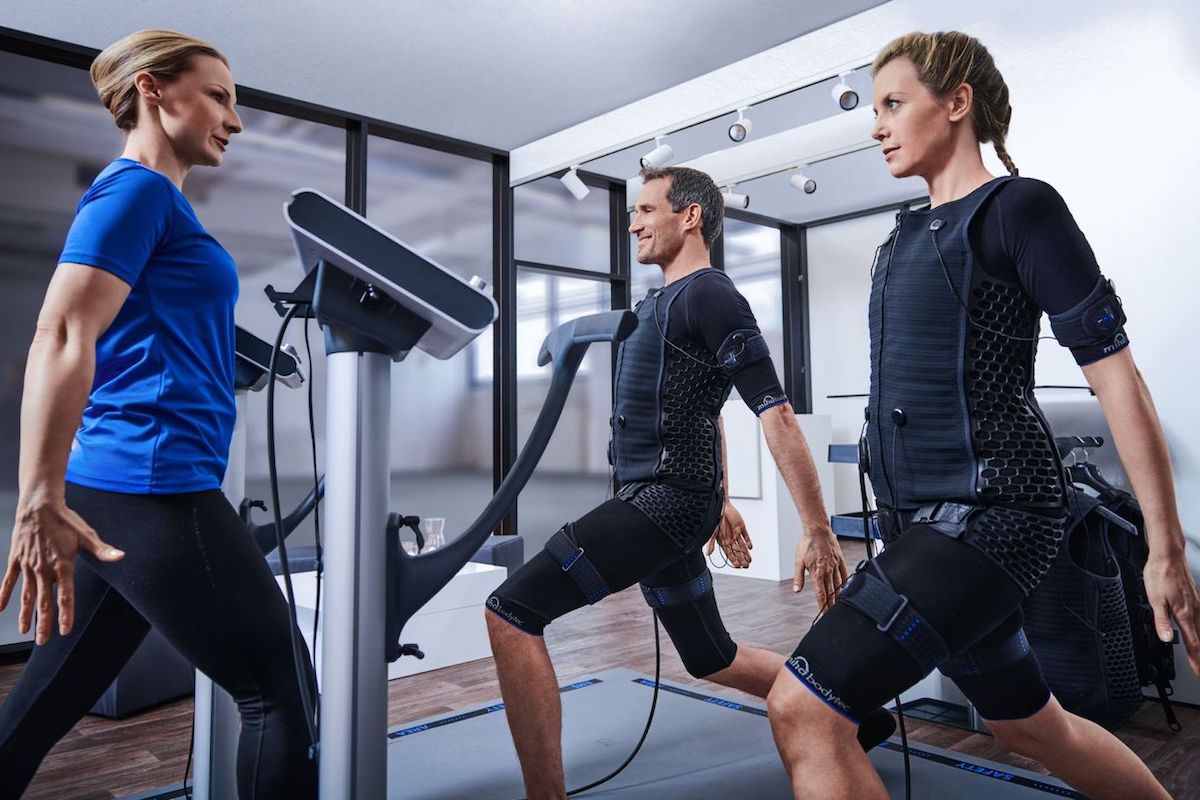
EMS uses controlled electrical impulses to activate deep muscles, improving strength, transforming your body, and recover faster in a safe, 20-minute workout.
Book An
EMS Trial Today
Trial sessions let you experience the power of EMS training.
- Introduction to EMS training
- 1 to 1 EMS personal training
- Get started - Only £30
Sarcopenia/age-related muscle atrophy: Causes, prevention and therapy
The problem
Age-related muscle loss, known as sarcopenia, is a gradual process that typically begins around the age of 50, leading to a steady decline in muscle mass and strength (Keller & Engelhardt, 2013; Lang et al., 2010). This reduction in strength often occurs more rapidly than the loss of muscle itself and can negatively affect mobility, balance, and independence. Several contributing factors have been identified, including reduced physical activity, hormonal changes, decreased muscle protein synthesis, and increased inflammation (Liguori et al., 2018; Cruz-Jentoft et al., 2019). These changes are associated with a higher risk of falls, functional decline, and chronic health conditions.
The findings
Resistance-based exercise is widely recognised as an effective strategy for maintaining and improving muscle mass and strength in older adults (Dent et al., 2018; Liguori et al., 2018). Regular strength training can support physical function and help counteract the effects of ageing. However, traditional exercise programmes may not always be accessible or suitable for all individuals, particularly those experiencing joint discomfort, time limitations, or reduced exercise tolerance. This highlights the importance of alternative training methods that can deliver similar muscular benefits with lower physical strain.
Why it matters
Medical electromyostimulation (EMS) has been shown to provide an efficient and joint-friendly method of muscle activation. By delivering electrical impulses that trigger muscle contractions, EMS can engage both superficial and deeper muscle fibres (Gregory & Bickel, 2005; Jubeau et al., 2008). Research suggests that EMS training may contribute to improvements in muscle strength, muscle mass, and overall functional performance, even with relatively short and supervised sessions (Paillard, 2018; Blöckl et al., 2021). This makes it a practical option for individuals seeking to support muscle health and maintain physical function over time.
References
Keller & Engelhardt, 2013
Lang et al., 2010
Liguori et al., 2018
Cruz-Jentoft et al., 2019
Dent et al., 2018
Blöckl et al., 2021
Paillard, 2018
Gregory & Bickel, 2005
Jubeau et al., 2008
Age-related muscle loss, known as sarcopenia, is a gradual process that typically begins around the age of 50, leading to a steady decline in muscle mass and strength (Keller & Engelhardt, 2013; Lang et al., 2010). This reduction in strength often occurs more rapidly than the loss of muscle itself and can negatively affect mobility, balance, and independence. Several contributing factors have been identified, including reduced physical activity, hormonal changes, decreased muscle protein synthesis, and increased inflammation (Liguori et al., 2018; Cruz-Jentoft et al., 2019). These changes are associated with a higher risk of falls, functional decline, and chronic health conditions.
The findings
Resistance-based exercise is widely recognised as an effective strategy for maintaining and improving muscle mass and strength in older adults (Dent et al., 2018; Liguori et al., 2018). Regular strength training can support physical function and help counteract the effects of ageing. However, traditional exercise programmes may not always be accessible or suitable for all individuals, particularly those experiencing joint discomfort, time limitations, or reduced exercise tolerance. This highlights the importance of alternative training methods that can deliver similar muscular benefits with lower physical strain.
Why it matters
Medical electromyostimulation (EMS) has been shown to provide an efficient and joint-friendly method of muscle activation. By delivering electrical impulses that trigger muscle contractions, EMS can engage both superficial and deeper muscle fibres (Gregory & Bickel, 2005; Jubeau et al., 2008). Research suggests that EMS training may contribute to improvements in muscle strength, muscle mass, and overall functional performance, even with relatively short and supervised sessions (Paillard, 2018; Blöckl et al., 2021). This makes it a practical option for individuals seeking to support muscle health and maintain physical function over time.
References
Keller & Engelhardt, 2013
Lang et al., 2010
Liguori et al., 2018
Cruz-Jentoft et al., 2019
Dent et al., 2018
Blöckl et al., 2021
Paillard, 2018
Gregory & Bickel, 2005
Jubeau et al., 2008
Non-specific back pain
The problem
Non-specific back pain is one of the most widespread musculoskeletal issues, with up to 75% of individuals experiencing it at some point in their lives (National health care guideline, 2017; Bork, 2017). In the majority of cases, no single structural cause can be identified, meaning the pain is not directly linked to injury or disease. Instead, it is often associated with factors such as weak or imbalanced core muscles, poor posture, prolonged sitting, and psychological stress (Chibuzor-Hüls et al., 2020; IQWiG, 2021). These contributing factors can lead to a cycle where pain discourages movement, resulting in further muscle deconditioning and a gradual worsening of symptoms over time.
The findings
Research consistently supports physical activity and targeted strengthening of the trunk muscles as an effective approach for both managing and preventing non-specific back pain (National health care guideline, 2017). Strengthening the core can improve spinal stability, reduce discomfort, and support better movement patterns. However, maintaining a consistent exercise routine can be challenging for many individuals, particularly those dealing with pain, limited time, or lower levels of fitness. This highlights the need for accessible and efficient training methods that encourage adherence while still delivering meaningful results.
Why it matters
Medical electromyostimulation (EMS) offers a time-efficient and low-impact alternative for strengthening the muscles that support the spine. By using controlled electrical impulses to activate muscle contractions, EMS can effectively engage deep stabilising muscles that are often difficult to target with conventional exercise. Evidence suggests that EMS training can produce comparable outcomes to traditional multi-modal therapy approaches for chronic back pain, even with relatively short weekly sessions (Konrad et al., 2020). This makes it a practical option for individuals looking to reduce back pain, improve core strength, and build a more sustainable approach to movement and exercise.
References
National health care guideline: Non-specific low back pain, 2017
Bork, 2017
Chibuzor-Hüls et al., 2020
IQWiG, 2021
Konrad et al., 2020
Non-specific back pain is one of the most widespread musculoskeletal issues, with up to 75% of individuals experiencing it at some point in their lives (National health care guideline, 2017; Bork, 2017). In the majority of cases, no single structural cause can be identified, meaning the pain is not directly linked to injury or disease. Instead, it is often associated with factors such as weak or imbalanced core muscles, poor posture, prolonged sitting, and psychological stress (Chibuzor-Hüls et al., 2020; IQWiG, 2021). These contributing factors can lead to a cycle where pain discourages movement, resulting in further muscle deconditioning and a gradual worsening of symptoms over time.
The findings
Research consistently supports physical activity and targeted strengthening of the trunk muscles as an effective approach for both managing and preventing non-specific back pain (National health care guideline, 2017). Strengthening the core can improve spinal stability, reduce discomfort, and support better movement patterns. However, maintaining a consistent exercise routine can be challenging for many individuals, particularly those dealing with pain, limited time, or lower levels of fitness. This highlights the need for accessible and efficient training methods that encourage adherence while still delivering meaningful results.
Why it matters
Medical electromyostimulation (EMS) offers a time-efficient and low-impact alternative for strengthening the muscles that support the spine. By using controlled electrical impulses to activate muscle contractions, EMS can effectively engage deep stabilising muscles that are often difficult to target with conventional exercise. Evidence suggests that EMS training can produce comparable outcomes to traditional multi-modal therapy approaches for chronic back pain, even with relatively short weekly sessions (Konrad et al., 2020). This makes it a practical option for individuals looking to reduce back pain, improve core strength, and build a more sustainable approach to movement and exercise.
References
National health care guideline: Non-specific low back pain, 2017
Bork, 2017
Chibuzor-Hüls et al., 2020
IQWiG, 2021
Konrad et al., 2020
Electro Muscle Stimulation effects on Physical Performance
The problem
Many individuals struggle to maintain regular strength training due to common barriers such as limited time, lack of training experience, or physical constraints. As a result, achieving consistent improvements in physical performance can be challenging. Whole-body electromyostimulation (EMS) has been explored as a time-efficient, supervised training method that may help overcome these barriers while still providing meaningful performance benefits (Gerhardt, M.G.).
The findings
Research indicates that EMS training can positively influence multiple aspects of physical performance, including strength endurance, speed, and explosive power (Gerhardt, M.G.). In structured training programmes, even a single short weekly session has been shown to produce measurable improvements across these areas. Findings also suggest that EMS provides a highly controlled training environment, allowing for effective muscle activation while minimising joint stress.
Why it matters
Evidence from an 8-week training period suggests that just one 20-minute EMS session per week can lead to significant improvements in overall fitness, including strength endurance, power output, and flexibility (Gerhardt, M.G.). Flexibility in particular has shown notable gains, with reported improvements of up to 79% in some measures. These results indicate that EMS may offer a practical and time-efficient training solution for individuals who are unable to commit to traditional exercise routines, while still supporting meaningful improvements in physical performance and mobility.
References
Gerhardt, M.G. (EMS training study on strength, performance, and flexibility)
Many individuals struggle to maintain regular strength training due to common barriers such as limited time, lack of training experience, or physical constraints. As a result, achieving consistent improvements in physical performance can be challenging. Whole-body electromyostimulation (EMS) has been explored as a time-efficient, supervised training method that may help overcome these barriers while still providing meaningful performance benefits (Gerhardt, M.G.).
The findings
Research indicates that EMS training can positively influence multiple aspects of physical performance, including strength endurance, speed, and explosive power (Gerhardt, M.G.). In structured training programmes, even a single short weekly session has been shown to produce measurable improvements across these areas. Findings also suggest that EMS provides a highly controlled training environment, allowing for effective muscle activation while minimising joint stress.
Why it matters
Evidence from an 8-week training period suggests that just one 20-minute EMS session per week can lead to significant improvements in overall fitness, including strength endurance, power output, and flexibility (Gerhardt, M.G.). Flexibility in particular has shown notable gains, with reported improvements of up to 79% in some measures. These results indicate that EMS may offer a practical and time-efficient training solution for individuals who are unable to commit to traditional exercise routines, while still supporting meaningful improvements in physical performance and mobility.
References
Gerhardt, M.G. (EMS training study on strength, performance, and flexibility)
Treating urinary incontinence with Electro Muscle Stimulation
The problem
Urinary incontinence is a common condition that can affect both men and women, often leading to reduced quality of life, discomfort, and limitations in daily activities. It is frequently associated with weakened pelvic floor and surrounding stabilising muscles. This study investigated whether whole-body electromyostimulation (EMS) could provide a supportive training approach for individuals experiencing mild to moderate urinary incontinence (Boeckh-Behrens & Schäffer, 2002).
The findings
In a small participant group, structured EMS training was conducted over 10 sessions, with participants completing supervised 45-minute sessions twice per week (Boeckh-Behrens & Schäffer, 2002). The results showed that 23% of participants became symptom-free, 24% reported an improvement in symptoms, and 36% experienced no change. These outcomes were reported to be comparable with results seen in other forms of localised electrical stimulation therapies referenced in previous literature.
Why it matters
These findings suggest that whole-body EMS may offer a supportive training option for individuals experiencing urinary incontinence, particularly as part of a broader strengthening and conditioning approach (Boeckh-Behrens & Schäffer, 2002). Beyond symptom-related outcomes, EMS was also associated with improvements in muscular strength, body stability, and overall physical wellbeing, indicating potential broader benefits for functional health and quality of life. However, given the small sample size and unpublished nature of the thesis, these results should be interpreted with appropriate caution.
References
Boeckh-Behrens W.-U. & Schäffer G. (2002) Unpublished thesis, University of Bayreuth.
Urinary incontinence is a common condition that can affect both men and women, often leading to reduced quality of life, discomfort, and limitations in daily activities. It is frequently associated with weakened pelvic floor and surrounding stabilising muscles. This study investigated whether whole-body electromyostimulation (EMS) could provide a supportive training approach for individuals experiencing mild to moderate urinary incontinence (Boeckh-Behrens & Schäffer, 2002).
The findings
In a small participant group, structured EMS training was conducted over 10 sessions, with participants completing supervised 45-minute sessions twice per week (Boeckh-Behrens & Schäffer, 2002). The results showed that 23% of participants became symptom-free, 24% reported an improvement in symptoms, and 36% experienced no change. These outcomes were reported to be comparable with results seen in other forms of localised electrical stimulation therapies referenced in previous literature.
Why it matters
These findings suggest that whole-body EMS may offer a supportive training option for individuals experiencing urinary incontinence, particularly as part of a broader strengthening and conditioning approach (Boeckh-Behrens & Schäffer, 2002). Beyond symptom-related outcomes, EMS was also associated with improvements in muscular strength, body stability, and overall physical wellbeing, indicating potential broader benefits for functional health and quality of life. However, given the small sample size and unpublished nature of the thesis, these results should be interpreted with appropriate caution.
References
Boeckh-Behrens W.-U. & Schäffer G. (2002) Unpublished thesis, University of Bayreuth.
The effects of Electro Muscle Stimulation in comparison to other strength training methods
The problem
Whole-body electromyostimulation (EMS) has been widely investigated as a time-efficient alternative to conventional strength training, particularly for individuals seeking effective results with reduced training time demands. Research comparing different training approaches has explored how EMS performs across various populations and fitness levels, with a focus on strength, power, and overall physical performance outcomes (Mester et al., 2008/2009).
The findings
Controlled studies comparing EMS with traditional strength training methods indicate that EMS can produce comparable, and in some cases greater, improvements in key performance indicators (Mester et al., 2008/2009). After a short training period of approximately four weeks, EMS has been associated with increases in maximum strength of around 9% and power output improvements of approximately 29%. In addition, EMS has demonstrated positive effects on speed performance, with some findings suggesting it is the only method in comparative trials to show measurable improvements in this area.
Why it matters
These results suggest that EMS can be a highly effective and time-efficient training method capable of matching or exceeding the outcomes of traditional strength training in certain contexts (Mester et al., 2008/2009). Importantly, improvements have been observed within relatively short training periods, highlighting its efficiency. When combined with appropriate recovery and structured programming, EMS may continue to support performance adaptations beyond the initial training phase, making it a practical option for individuals seeking measurable strength and performance gains within limited time availability.
References
Mester, J. et al. (2008/2009 study on EMS vs strength training methods)
Whole-body electromyostimulation (EMS) has been widely investigated as a time-efficient alternative to conventional strength training, particularly for individuals seeking effective results with reduced training time demands. Research comparing different training approaches has explored how EMS performs across various populations and fitness levels, with a focus on strength, power, and overall physical performance outcomes (Mester et al., 2008/2009).
The findings
Controlled studies comparing EMS with traditional strength training methods indicate that EMS can produce comparable, and in some cases greater, improvements in key performance indicators (Mester et al., 2008/2009). After a short training period of approximately four weeks, EMS has been associated with increases in maximum strength of around 9% and power output improvements of approximately 29%. In addition, EMS has demonstrated positive effects on speed performance, with some findings suggesting it is the only method in comparative trials to show measurable improvements in this area.
Why it matters
These results suggest that EMS can be a highly effective and time-efficient training method capable of matching or exceeding the outcomes of traditional strength training in certain contexts (Mester et al., 2008/2009). Importantly, improvements have been observed within relatively short training periods, highlighting its efficiency. When combined with appropriate recovery and structured programming, EMS may continue to support performance adaptations beyond the initial training phase, making it a practical option for individuals seeking measurable strength and performance gains within limited time availability.
References
Mester, J. et al. (2008/2009 study on EMS vs strength training methods)
Electro Muscle Stimulation training as an alternative form of training for older adults
The problem
Maintaining muscle mass, strength, and overall physical function becomes increasingly important with age. However, many older adults face challenges when engaging in traditional resistance training, including time constraints, physical limitations, reduced mobility, or low motivation. As a result, alternative training methods that are both accessible and effective are of significant interest in supporting healthy ageing (Kemmler & von Stengel, 2010–2012).
The findings
Research conducted in older adult populations indicates that whole-body electromyostimulation (EMS) can produce meaningful improvements in both body composition and physical performance, even when performed in short, low-impact sessions (Kemmler & von Stengel, 2010–2012). Over a training period of approximately 14 weeks, studies have reported reductions in body fat alongside increases in muscle mass. Improvements have also been observed in strength, power, and aerobic capacity, with benefits recorded in both male and female participants.
Why it matters
These findings suggest that EMS may represent a practical and joint-friendly training option for older adults seeking to improve or maintain physical function (Kemmler & von Stengel, 2010–2012). By enabling measurable improvements in muscle strength, body composition, and cardiovascular fitness through short and controlled sessions, EMS may help support independence, mobility, and overall quality of life in ageing populations. Its low-impact nature also makes it particularly suitable for individuals who may struggle with conventional exercise programmes.
References
Kemmler, W. & von Stengel, S. (2010–2012 EMS training studies in older adults)
Maintaining muscle mass, strength, and overall physical function becomes increasingly important with age. However, many older adults face challenges when engaging in traditional resistance training, including time constraints, physical limitations, reduced mobility, or low motivation. As a result, alternative training methods that are both accessible and effective are of significant interest in supporting healthy ageing (Kemmler & von Stengel, 2010–2012).
The findings
Research conducted in older adult populations indicates that whole-body electromyostimulation (EMS) can produce meaningful improvements in both body composition and physical performance, even when performed in short, low-impact sessions (Kemmler & von Stengel, 2010–2012). Over a training period of approximately 14 weeks, studies have reported reductions in body fat alongside increases in muscle mass. Improvements have also been observed in strength, power, and aerobic capacity, with benefits recorded in both male and female participants.
Why it matters
These findings suggest that EMS may represent a practical and joint-friendly training option for older adults seeking to improve or maintain physical function (Kemmler & von Stengel, 2010–2012). By enabling measurable improvements in muscle strength, body composition, and cardiovascular fitness through short and controlled sessions, EMS may help support independence, mobility, and overall quality of life in ageing populations. Its low-impact nature also makes it particularly suitable for individuals who may struggle with conventional exercise programmes.
References
Kemmler, W. & von Stengel, S. (2010–2012 EMS training studies in older adults)
Effects of Electro Muscle Stimulation on Muscle and Abdominal Fat Mass
The problem
Age-related changes in body composition, including the loss of muscle mass and the accumulation of abdominal fat, are common concerns in older adults. These changes are associated with an increased risk of sarcopenia, reduced physical function, and higher levels of metabolic health risk. Individuals who are less active or unable to participate in conventional exercise may be particularly affected by these age-related changes (Kemmler & von Stengel, 2013).
The findings
Research in older female populations has shown that electromyostimulation (EMS) can have a positive effect on both appendicular muscle mass and abdominal fat mass (Kemmler & von Stengel, 2013). Findings indicate that EMS-based training programmes can contribute to improvements in body composition, even in individuals who are not regularly engaged in athletic or traditional resistance training. The intervention was also associated with positive adaptations relevant to both muscle preservation and fat reduction.
Why it matters
These results suggest that EMS may be an effective and accessible training method for older adults, particularly those at increased risk of sarcopenia and obesity (Kemmler & von Stengel, 2013). The technology-supported nature of EMS allows for controlled muscle activation, making it suitable for individuals who are unable or unwilling to participate in conventional exercise programmes. As such, EMS may play a supportive role in both the prevention and management of age-related muscle loss and regional fat accumulation, while also offering a safe and time-efficient training option.
References
Kemmler, W. & von Stengel, S. (2013) Clinical Interventions in Aging, 8, 1353–1364.
Age-related changes in body composition, including the loss of muscle mass and the accumulation of abdominal fat, are common concerns in older adults. These changes are associated with an increased risk of sarcopenia, reduced physical function, and higher levels of metabolic health risk. Individuals who are less active or unable to participate in conventional exercise may be particularly affected by these age-related changes (Kemmler & von Stengel, 2013).
The findings
Research in older female populations has shown that electromyostimulation (EMS) can have a positive effect on both appendicular muscle mass and abdominal fat mass (Kemmler & von Stengel, 2013). Findings indicate that EMS-based training programmes can contribute to improvements in body composition, even in individuals who are not regularly engaged in athletic or traditional resistance training. The intervention was also associated with positive adaptations relevant to both muscle preservation and fat reduction.
Why it matters
These results suggest that EMS may be an effective and accessible training method for older adults, particularly those at increased risk of sarcopenia and obesity (Kemmler & von Stengel, 2013). The technology-supported nature of EMS allows for controlled muscle activation, making it suitable for individuals who are unable or unwilling to participate in conventional exercise programmes. As such, EMS may play a supportive role in both the prevention and management of age-related muscle loss and regional fat accumulation, while also offering a safe and time-efficient training option.
References
Kemmler, W. & von Stengel, S. (2013) Clinical Interventions in Aging, 8, 1353–1364.
Effects of a Four-Week Whole-Body EMS Program on Muscle Function and Strength in Sarcopenic Patients
The problem
Sarcopenia is a condition characterised by progressive loss of muscle mass and strength, often leading to reduced mobility, functional decline, and increased health risks. In clinical populations, particularly those with orthopaedic or cardiac conditions, this decline can be further exacerbated by reduced physical activity and general deconditioning. As a result, there is a need for safe and effective training approaches that can be applied within rehabilitation contexts (Teschler et al., 2021).
The findings
Research investigating a four-week whole-body electromyostimulation (EMS) programme in sarcopenic patients has shown that EMS can safely and effectively improve leg muscle function and strength in a relatively short period (Teschler et al., 2021). These improvements were observed even in individuals with existing orthopaedic and/or cardiac indications, suggesting that EMS can be applied in clinically supervised environments to support functional recovery and muscular performance.
Why it matters
These findings indicate that EMS may be a valuable training modality in rehabilitation settings, particularly for individuals who are unable to perform traditional resistance exercise due to deconditioning or medical limitations (Teschler et al., 2021). By supporting improvements in muscle strength and functional capacity through a controlled, low-impact approach, EMS may contribute to enhanced recovery outcomes and improved overall health status in clinical and rehabilitation populations.
References
Teschler M et al. (2021) Journal of Cachexia, Sarcopenia and Muscle, 12, 843–854.
Sarcopenia is a condition characterised by progressive loss of muscle mass and strength, often leading to reduced mobility, functional decline, and increased health risks. In clinical populations, particularly those with orthopaedic or cardiac conditions, this decline can be further exacerbated by reduced physical activity and general deconditioning. As a result, there is a need for safe and effective training approaches that can be applied within rehabilitation contexts (Teschler et al., 2021).
The findings
Research investigating a four-week whole-body electromyostimulation (EMS) programme in sarcopenic patients has shown that EMS can safely and effectively improve leg muscle function and strength in a relatively short period (Teschler et al., 2021). These improvements were observed even in individuals with existing orthopaedic and/or cardiac indications, suggesting that EMS can be applied in clinically supervised environments to support functional recovery and muscular performance.
Why it matters
These findings indicate that EMS may be a valuable training modality in rehabilitation settings, particularly for individuals who are unable to perform traditional resistance exercise due to deconditioning or medical limitations (Teschler et al., 2021). By supporting improvements in muscle strength and functional capacity through a controlled, low-impact approach, EMS may contribute to enhanced recovery outcomes and improved overall health status in clinical and rehabilitation populations.
References
Teschler M et al. (2021) Journal of Cachexia, Sarcopenia and Muscle, 12, 843–854.
Whole-Body Electro Muscle Stimulation Against Sarcopenic Obesity in Older Women
The problem
Sarcopenic obesity, which combines age-related muscle loss with increased fat mass, is a significant health concern in older adults, particularly in women over the age of 70. This condition is associated with reduced strength, lower functional capacity, and increased risk of disability. Traditional exercise interventions can be difficult to maintain in this population due to low motivation, physical limitations, or inability to perform high-intensity training (Kemmler et al., 2016).
The findings
Research in older female populations has shown that whole-body electromyostimulation (EMS) can safely and effectively improve muscle mass and functional capacity in individuals with sarcopenic obesity (Kemmler et al., 2016). The study also found that protein supplementation alone did not provide additional benefits when combined with EMS, suggesting that EMS itself was the primary driver of the observed improvements. These results highlight the effectiveness of EMS as a standalone training stimulus in this population group.
Why it matters
These findings suggest that EMS may be a particularly valuable training option for older adults who are unable or unwilling to participate in conventional high-intensity exercise programmes (Kemmler et al., 2016). By providing a safe, controlled, and efficient method of stimulating muscle activity, EMS may help improve strength and functional capacity in individuals with sarcopenic obesity. This makes it a practical and accessible intervention for supporting health, independence, and quality of life in older populations.
References
Kemmler W et al. (2016) Osteoporosis International, 27, 3261–3270.
Sarcopenic obesity, which combines age-related muscle loss with increased fat mass, is a significant health concern in older adults, particularly in women over the age of 70. This condition is associated with reduced strength, lower functional capacity, and increased risk of disability. Traditional exercise interventions can be difficult to maintain in this population due to low motivation, physical limitations, or inability to perform high-intensity training (Kemmler et al., 2016).
The findings
Research in older female populations has shown that whole-body electromyostimulation (EMS) can safely and effectively improve muscle mass and functional capacity in individuals with sarcopenic obesity (Kemmler et al., 2016). The study also found that protein supplementation alone did not provide additional benefits when combined with EMS, suggesting that EMS itself was the primary driver of the observed improvements. These results highlight the effectiveness of EMS as a standalone training stimulus in this population group.
Why it matters
These findings suggest that EMS may be a particularly valuable training option for older adults who are unable or unwilling to participate in conventional high-intensity exercise programmes (Kemmler et al., 2016). By providing a safe, controlled, and efficient method of stimulating muscle activity, EMS may help improve strength and functional capacity in individuals with sarcopenic obesity. This makes it a practical and accessible intervention for supporting health, independence, and quality of life in older populations.
References
Kemmler W et al. (2016) Osteoporosis International, 27, 3261–3270.
Efficacy and Safety of Low-Frequency Whole-Body Electro Muscle Stimulation
The problem
Maintaining healthy body composition and physical function becomes increasingly important with age, particularly for older adults who may experience reduced activity levels, decreased muscle mass, and declining strength. Many individuals in this population face barriers to traditional exercise, including physical limitations, low motivation, or health-related constraints, making long-term adherence to conventional training programmes challenging (Kemmler et al., 2018).
The findings
Research on low-frequency whole-body electromyostimulation (WB-EMS) suggests that it can be an effective method for supporting improvements in body composition and physical function over time (Kemmler et al., 2018). Findings indicate that EMS offers a structured and controlled training stimulus that can be applied consistently, even in populations that are not able or willing to participate in traditional exercise programmes.
Why it matters
These results suggest that EMS may represent a practical long-term training option for older adults seeking to maintain or improve physical health (Kemmler et al., 2018). By providing a low-frequency, time-efficient, and supervised method of muscle activation, WB-EMS may help support independence and physical function in populations where conventional exercise adherence is difficult. This makes it a potentially valuable tool for promoting sustained health outcomes in ageing individuals.
References
Kemmler W et al. (2018) Frontiers in Physiology, 9, 573.
Maintaining healthy body composition and physical function becomes increasingly important with age, particularly for older adults who may experience reduced activity levels, decreased muscle mass, and declining strength. Many individuals in this population face barriers to traditional exercise, including physical limitations, low motivation, or health-related constraints, making long-term adherence to conventional training programmes challenging (Kemmler et al., 2018).
The findings
Research on low-frequency whole-body electromyostimulation (WB-EMS) suggests that it can be an effective method for supporting improvements in body composition and physical function over time (Kemmler et al., 2018). Findings indicate that EMS offers a structured and controlled training stimulus that can be applied consistently, even in populations that are not able or willing to participate in traditional exercise programmes.
Why it matters
These results suggest that EMS may represent a practical long-term training option for older adults seeking to maintain or improve physical health (Kemmler et al., 2018). By providing a low-frequency, time-efficient, and supervised method of muscle activation, WB-EMS may help support independence and physical function in populations where conventional exercise adherence is difficult. This makes it a potentially valuable tool for promoting sustained health outcomes in ageing individuals.
References
Kemmler W et al. (2018) Frontiers in Physiology, 9, 573.
EMS vs. Multimodal Physical Therapy for Back Pain
The problem
Chronic non-specific back pain is commonly treated using multimodal physical therapy approaches, which combine different interventions such as exercise, education, and manual therapy. While these methods are widely regarded as a standard form of care, they often require a significant time commitment, which can make long-term adherence challenging for some patients (Konrad et al., 2020/PLoS ONE 15.8:e0236780).
The findings
Research comparing whole-body electromyostimulation (EMS) with multimodal physical therapy has shown that EMS can provide comparable levels of pain relief and functional improvement (Konrad et al., 2020). Importantly, these outcomes were achieved with a substantially lower time requirement, with effective protocols involving approximately 20 minutes of training per week. This suggests that EMS can deliver clinically relevant benefits within a significantly reduced training volume.
Why it matters
These findings indicate that EMS may represent a time-efficient alternative to established multimodal treatment models for individuals with back pain (Konrad et al., 2020). By delivering similar therapeutic outcomes with considerably less weekly time investment, EMS may improve accessibility and adherence for patients who struggle to commit to longer rehabilitation programmes. This makes it a practical option for supporting pain management and functional improvement in a time-constrained population.
References
Konrad KL et al. (PLoS ONE, 2020) 15(8): e0236780.
Chronic non-specific back pain is commonly treated using multimodal physical therapy approaches, which combine different interventions such as exercise, education, and manual therapy. While these methods are widely regarded as a standard form of care, they often require a significant time commitment, which can make long-term adherence challenging for some patients (Konrad et al., 2020/PLoS ONE 15.8:e0236780).
The findings
Research comparing whole-body electromyostimulation (EMS) with multimodal physical therapy has shown that EMS can provide comparable levels of pain relief and functional improvement (Konrad et al., 2020). Importantly, these outcomes were achieved with a substantially lower time requirement, with effective protocols involving approximately 20 minutes of training per week. This suggests that EMS can deliver clinically relevant benefits within a significantly reduced training volume.
Why it matters
These findings indicate that EMS may represent a time-efficient alternative to established multimodal treatment models for individuals with back pain (Konrad et al., 2020). By delivering similar therapeutic outcomes with considerably less weekly time investment, EMS may improve accessibility and adherence for patients who struggle to commit to longer rehabilitation programmes. This makes it a practical option for supporting pain management and functional improvement in a time-constrained population.
References
Konrad KL et al. (PLoS ONE, 2020) 15(8): e0236780.
EMS vs. Conventional Back Exercises
The problem
Non-specific back pain is commonly managed through conventional back-strengthening exercise programmes, which aim to reduce pain intensity and improve muscular strength. While these approaches are widely used and effective, they often require regular training sessions and a relatively high time commitment, which can reduce adherence for some individuals (Konrad et al., 2020; Weissenfels et al., 2019).
The findings
Research comparing whole-body electromyostimulation (EMS) with traditional back exercises has shown that both approaches can significantly reduce pain intensity and improve maximum isometric upper body strength (Konrad et al., 2020; Weissenfels et al., 2019). However, EMS has been shown to achieve these outcomes in approximately half the training time. Supervised EMS protocols have also been reported to be as effective as conventional “gold standard” back-strengthening programmes, even with significantly reduced weekly training duration (Sutor & Müller, 2020).
Why it matters
These findings suggest that EMS may serve as a time-efficient alternative to traditional exercise-based interventions for individuals with non-specific back pain (Konrad et al., 2020; Weissenfels et al., 2019). With protocols requiring as little as 20 minutes once per week, EMS may improve accessibility and adherence while still delivering comparable improvements in pain reduction and muscular strength. This makes it a practical option for individuals seeking effective back pain management within a limited time commitment.
References
Konrad KL et al. (2020) PLoS ONE, 15(8): e0236780.
Weissenfels A et al. (2019) Biomedical Research International, 5745409.
Sutor V & Müller S. (2020) bodyLIFE – EMS training: quo vadis? bodyLIFE Medien GmbH.
Non-specific back pain is commonly managed through conventional back-strengthening exercise programmes, which aim to reduce pain intensity and improve muscular strength. While these approaches are widely used and effective, they often require regular training sessions and a relatively high time commitment, which can reduce adherence for some individuals (Konrad et al., 2020; Weissenfels et al., 2019).
The findings
Research comparing whole-body electromyostimulation (EMS) with traditional back exercises has shown that both approaches can significantly reduce pain intensity and improve maximum isometric upper body strength (Konrad et al., 2020; Weissenfels et al., 2019). However, EMS has been shown to achieve these outcomes in approximately half the training time. Supervised EMS protocols have also been reported to be as effective as conventional “gold standard” back-strengthening programmes, even with significantly reduced weekly training duration (Sutor & Müller, 2020).
Why it matters
These findings suggest that EMS may serve as a time-efficient alternative to traditional exercise-based interventions for individuals with non-specific back pain (Konrad et al., 2020; Weissenfels et al., 2019). With protocols requiring as little as 20 minutes once per week, EMS may improve accessibility and adherence while still delivering comparable improvements in pain reduction and muscular strength. This makes it a practical option for individuals seeking effective back pain management within a limited time commitment.
References
Konrad KL et al. (2020) PLoS ONE, 15(8): e0236780.
Weissenfels A et al. (2019) Biomedical Research International, 5745409.
Sutor V & Müller S. (2020) bodyLIFE – EMS training: quo vadis? bodyLIFE Medien GmbH.
See what our clients have to say...
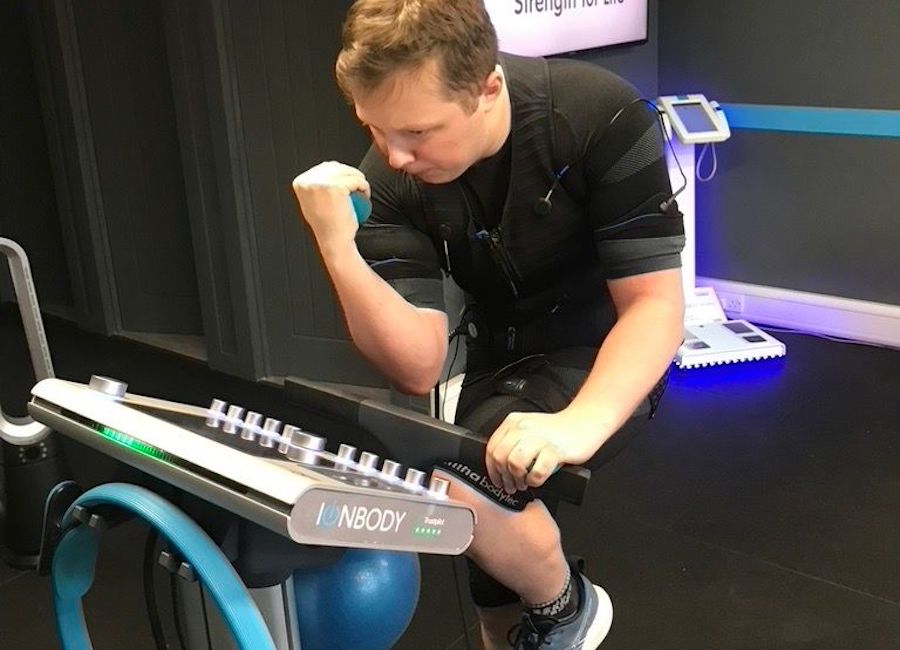
Strength
"ION BODY has boosted my strength & helped maintain my muscle. I feel stronger, toned & healthier, & my lower back feels stronger. It's a great full body workout in only 20 minutes." (Tom)

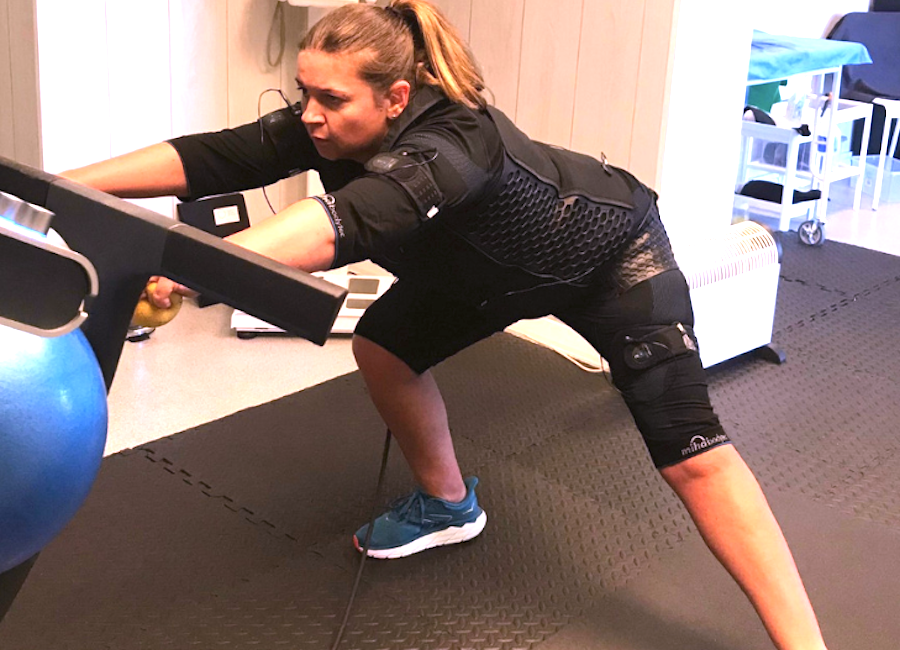
Transform
"ION BODY has supported my weight, BMI & body fat. My strength & posture have improved, making such an improvement to my life. It's a great start to my week & it's a lovely friendly environment." (Sam, 45)
Recover
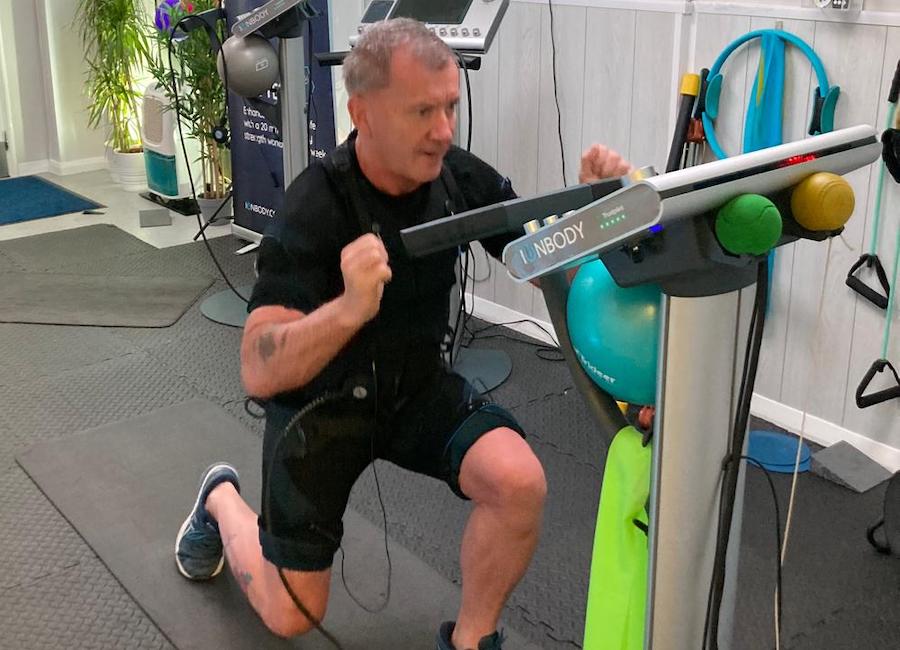
"I train at ION BODY & I thoroughly enjoy it. I initally came with a weak knee and my knee is 100% better. I would definitely recommend this to anybody with joint or muscle pain." (Shane T, 59)
Book An
EMS Trial Today
Trial sessions let you experience the power of EMS training.
- Introduction to EMS training
- 1 to 1 EMS personal training
- Get started - Only £30
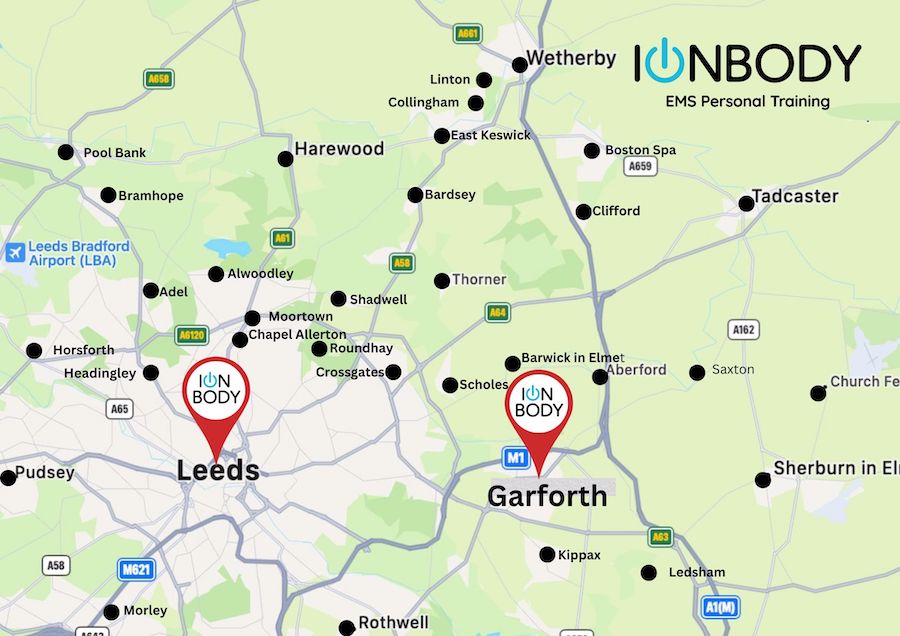
find us at
PHONE NUMBER
07512 769315
LOCATION 1
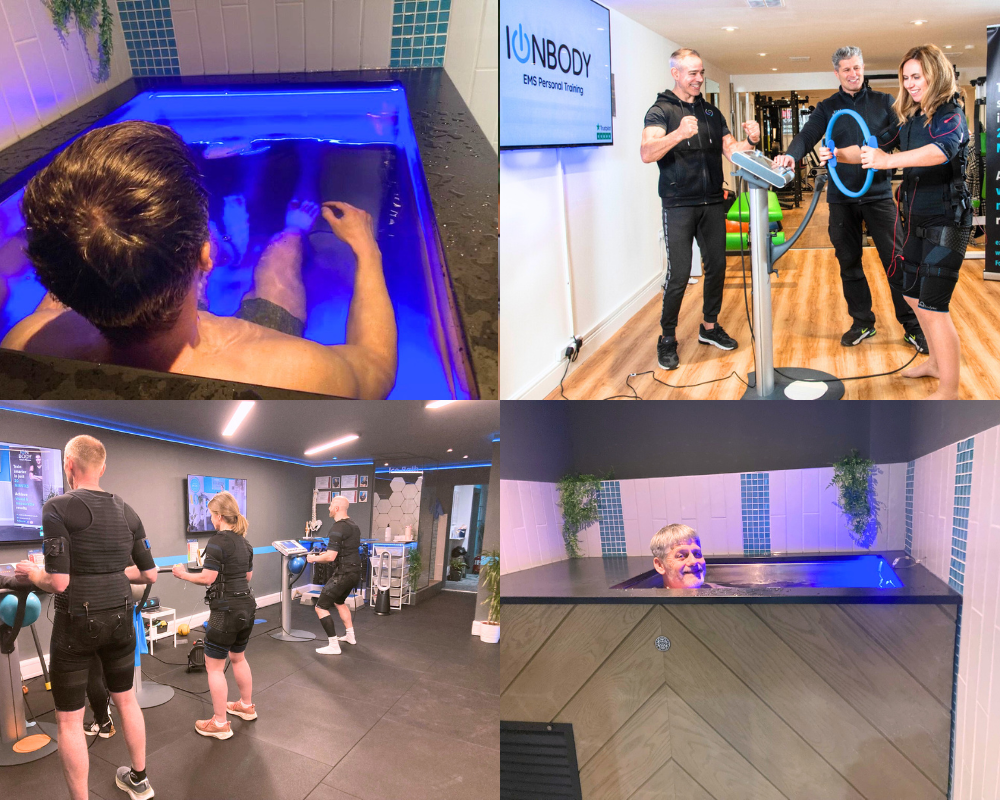
EMS 1-to-1, 2-to-1, Ice Bath & Group Exercise
Garforth Leeds Studio:
7 Long Meadowgate,
Leeds,
LS25 2BX
LOCATION 2
EMS 1-to-1
Leeds Centre Studio:
12 Park Place,
Leeds,
LS1 2RU