
Group Exercise
Studies & Evidence
Group Exercise Evidence - Keep you motivated, build strength.

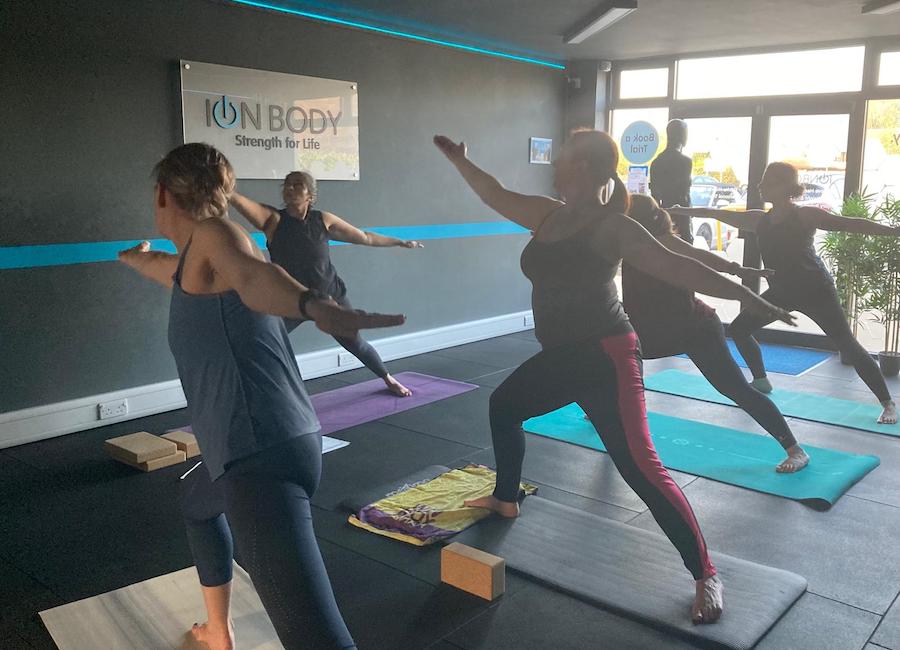
Get Started With a Group Exercise Class
We run group exercise sessions over a set period. Please enquire to find out when our next course starts.

Flexibility for Health and Wellness: Can Improving Flexibility Enhance Mobility, Independence, and Quality of Life?
Flexibility is about much more than simply stretching your muscles. It plays an important role in helping you move freely, maintain good posture, improve balance, and stay independent as you get older. As we age, muscles naturally become tighter and joints can lose mobility, making everyday activities such as bending, reaching, walking, and getting up from a chair more challenging.
Research consistently shows that regular flexibility training can significantly improve joint range of motion and functional movement. Large systematic reviews have found that stretching programmes lasting just a few weeks can produce meaningful improvements in flexibility, while other studies show flexibility exercises can improve walking ability and physical function, particularly in people living with knee osteoarthritis. There is also emerging evidence that regular stretching may help reduce musculoskeletal pain and provide small improvements in muscle strength and power when performed consistently as part of a long-term exercise programme.
Our Flexibility for Life class has been designed to improve mobility, reduce stiffness, and help you move with greater confidence. Through gentle stretching, controlled mobility exercises, and guided movement, you'll improve flexibility while supporting healthier joints and better overall movement. Whether your goal is to stay active, recover from everyday aches and stiffness, or simply feel more comfortable moving throughout the day, this class provides a safe and enjoyable way to invest in your long-term health and wellbeing.
Scientific evidence also shows that flexibility training works best when performed regularly over time rather than simply stretching after exercise. Rather than being viewed as a quick recovery tool, flexibility training should be seen as an essential part of maintaining lifelong movement, mobility, and quality of life.
Scientific References
The information in this section is based on systematic reviews and meta-analyses, representing some of the highest levels of scientific evidence available in exercise and rehabilitation research.
Yan L, et al. Comparative efficacy and safety of exercise modalities in knee osteoarthritis: Systematic review and network meta-analysis. BMJ. 2025. (117 trials; 8,483 participants).
Ingram LA, et al. Optimising the Dose of Static Stretching to Improve Flexibility: Systematic review and meta-analysis. Sports Medicine. 2025. (189 studies; 6,654 adults).
Arntz F, et al. Chronic Effects of Static Stretching Exercises on Muscle Strength and Power: Systematic review and multi-level meta-analysis. Sports Medicine. 2023. (41 studies).
Konrad A, et al. Chronic Effects of Stretch Training on Musculoskeletal Pain: Systematic review. European Journal of Applied Physiology. 2025. (6 studies; 658 participants).
Group Exercise Evidence Zhang P, et al. Effects of Post-Exercise Stretching Versus No Stretching on Lower Limb Muscle Recovery and Performance: Meta-analysis. Frontiers in Physiology. 2025. (15 studies; 465 participants). Group Exercise Evidence
Research consistently shows that regular flexibility training can significantly improve joint range of motion and functional movement. Large systematic reviews have found that stretching programmes lasting just a few weeks can produce meaningful improvements in flexibility, while other studies show flexibility exercises can improve walking ability and physical function, particularly in people living with knee osteoarthritis. There is also emerging evidence that regular stretching may help reduce musculoskeletal pain and provide small improvements in muscle strength and power when performed consistently as part of a long-term exercise programme.
Our Flexibility for Life class has been designed to improve mobility, reduce stiffness, and help you move with greater confidence. Through gentle stretching, controlled mobility exercises, and guided movement, you'll improve flexibility while supporting healthier joints and better overall movement. Whether your goal is to stay active, recover from everyday aches and stiffness, or simply feel more comfortable moving throughout the day, this class provides a safe and enjoyable way to invest in your long-term health and wellbeing.
Scientific evidence also shows that flexibility training works best when performed regularly over time rather than simply stretching after exercise. Rather than being viewed as a quick recovery tool, flexibility training should be seen as an essential part of maintaining lifelong movement, mobility, and quality of life.
Scientific References
The information in this section is based on systematic reviews and meta-analyses, representing some of the highest levels of scientific evidence available in exercise and rehabilitation research.
Yan L, et al. Comparative efficacy and safety of exercise modalities in knee osteoarthritis: Systematic review and network meta-analysis. BMJ. 2025. (117 trials; 8,483 participants).
Ingram LA, et al. Optimising the Dose of Static Stretching to Improve Flexibility: Systematic review and meta-analysis. Sports Medicine. 2025. (189 studies; 6,654 adults).
Arntz F, et al. Chronic Effects of Static Stretching Exercises on Muscle Strength and Power: Systematic review and multi-level meta-analysis. Sports Medicine. 2023. (41 studies).
Konrad A, et al. Chronic Effects of Stretch Training on Musculoskeletal Pain: Systematic review. European Journal of Applied Physiology. 2025. (6 studies; 658 participants).
Group Exercise Evidence Zhang P, et al. Effects of Post-Exercise Stretching Versus No Stretching on Lower Limb Muscle Recovery and Performance: Meta-analysis. Frontiers in Physiology. 2025. (15 studies; 465 participants). Group Exercise Evidence


Strength Training for Health and Wellness: Can Building Strength Improve Independence, Function, and Quality of Life?
Strength is one of the most important predictors of long-term health, independence, and quality of life. As we get older, we naturally lose muscle mass and strength—a process known as sarcopenia—which can make everyday activities such as climbing stairs, carrying shopping, getting out of a chair, or simply maintaining balance increasingly difficult. The good news is that regular strength training is one of the most effective ways to slow, and in many cases reverse, these changes.
Scientific research consistently shows that progressive strength training improves muscle strength, physical function, mobility, balance, and overall quality of life. Large systematic reviews have demonstrated improvements in everyday functional tasks such as standing from a chair, walking speed, stair climbing, and confidence with movement. Research also shows that strength training can reduce musculoskeletal pain, improve mobility, and help people remain active and independent for longer.
Our Strength For Life class is designed to help you build strength safely and progressively in a supportive group environment. Using carefully planned exercises, you'll improve muscular strength, stability, posture, and functional fitness while developing the confidence to move more freely in everyday life. Whether your goal is to remain independent as you age, improve your fitness, enhance sporting performance, or simply feel stronger and healthier, this class provides a structured and enjoyable way to achieve lasting results.
Regular participation in Group Exercise classes that focus on strength training also supports bone health, joint stability, metabolic health, and healthy ageing. Research suggests that training two to three times each week provides meaningful improvements in physical function, while combining strength exercises with balance and mobility work may produce even greater long-term health benefits.
Strength training doesn't just improve physical health. Growing evidence shows it can also improve mental wellbeing by reducing symptoms of anxiety and depression, increasing confidence, and enhancing overall quality of life. Stronger muscles help you move better, but they also help you live better.
Scientific References
The information in this section is based on systematic reviews and meta-analyses, representing some of the highest levels of scientific evidence available in exercise science, rehabilitation, and healthy ageing research.
Resistance training and functional performance in frail and pre-frail older adults. Systematic review and meta-analysis (10 randomised controlled trials; 1,303 participants). Ageing Research Reviews. 2023.
Progressive resistance training in adults at risk of fracture. Systematic review and meta-analysis (53 clinical trials evaluating quality of life, pain and physical function). Physical Therapy. 2020.
Exercise interventions for sarcopenia. Network meta-analysis (42 randomised controlled trials; 3,728 participants). Journal of Cachexia, Sarcopenia and Muscle. 2023.
Group Exercise Evidence Resistance training and mental health in older adults. Systematic review and meta-analysis of randomised controlled trials examining depression and anxiety outcomes. Psychiatry Research. 2024. Group Exercise Evidence
Scientific research consistently shows that progressive strength training improves muscle strength, physical function, mobility, balance, and overall quality of life. Large systematic reviews have demonstrated improvements in everyday functional tasks such as standing from a chair, walking speed, stair climbing, and confidence with movement. Research also shows that strength training can reduce musculoskeletal pain, improve mobility, and help people remain active and independent for longer.
Our Strength For Life class is designed to help you build strength safely and progressively in a supportive group environment. Using carefully planned exercises, you'll improve muscular strength, stability, posture, and functional fitness while developing the confidence to move more freely in everyday life. Whether your goal is to remain independent as you age, improve your fitness, enhance sporting performance, or simply feel stronger and healthier, this class provides a structured and enjoyable way to achieve lasting results.
Regular participation in Group Exercise classes that focus on strength training also supports bone health, joint stability, metabolic health, and healthy ageing. Research suggests that training two to three times each week provides meaningful improvements in physical function, while combining strength exercises with balance and mobility work may produce even greater long-term health benefits.
Strength training doesn't just improve physical health. Growing evidence shows it can also improve mental wellbeing by reducing symptoms of anxiety and depression, increasing confidence, and enhancing overall quality of life. Stronger muscles help you move better, but they also help you live better.
Scientific References
The information in this section is based on systematic reviews and meta-analyses, representing some of the highest levels of scientific evidence available in exercise science, rehabilitation, and healthy ageing research.
Resistance training and functional performance in frail and pre-frail older adults. Systematic review and meta-analysis (10 randomised controlled trials; 1,303 participants). Ageing Research Reviews. 2023.
Progressive resistance training in adults at risk of fracture. Systematic review and meta-analysis (53 clinical trials evaluating quality of life, pain and physical function). Physical Therapy. 2020.
Exercise interventions for sarcopenia. Network meta-analysis (42 randomised controlled trials; 3,728 participants). Journal of Cachexia, Sarcopenia and Muscle. 2023.
Group Exercise Evidence Resistance training and mental health in older adults. Systematic review and meta-analysis of randomised controlled trials examining depression and anxiety outcomes. Psychiatry Research. 2024. Group Exercise Evidence
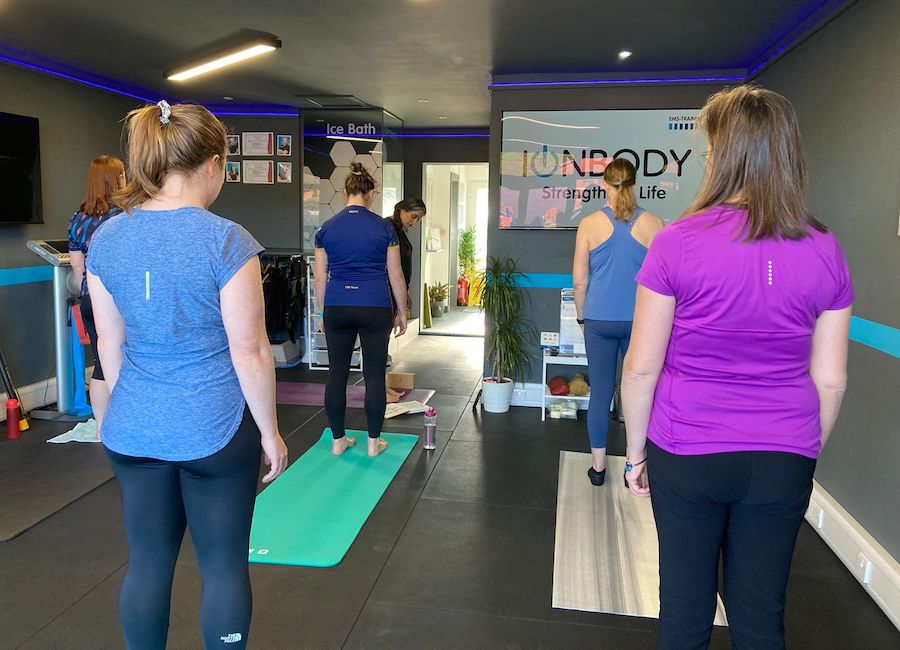

Pilates for Health and Wellness: Can Pilates Improve Strength, Mobility, and Quality of Life?
Pilates is increasingly recognised as an effective, low-impact form of exercise that supports overall health and wellness. It focuses on core stability, posture control, controlled movement, flexibility, and mind–body awareness. From a scientific perspective, Pilates is not just "gentle exercise"—it is a structured training method that can improve physical function, reduce pain in certain populations, and enhance quality of life, particularly in older adults and people with musculoskeletal conditions.
One of the strongest evidence bases for Pilates relates to chronic non-specific low back pain. Multiple high-quality studies show that Pilates can significantly reduce pain and improve daily function. A large network meta-analysis in the British Journal of Sports Medicine (89 randomised controlled trials, 5,578 participants) found Pilates ranked as the most effective exercise approach for reducing pain (SUCRA 100%), with a pooled effect size of SMD −1.86 compared with control conditions. While certainty of evidence varies, the consistency of findings across trials is notable. Another systematic review in the International Journal of Environmental Research and Public Health (19 RCTs, 1,108 participants) also reported significant improvements in pain (SMD −1.31) and disability scores, highlighting improved movement confidence and daily function.
Beyond back pain, Pilates has strong relevance for healthy ageing and physical independence. A large meta-analytical review in Frontiers in Neurology (51 studies, 2,485 adults aged 55+) found moderate improvements in strength, balance, flexibility, gait, and overall physical function when compared with inactive controls. Importantly, psychological outcomes such as quality of life, sleep quality, and fear of falling also improved. These outcomes are particularly important because balance and walking ability are directly linked to independence, fall risk, and long-term wellbeing.
Further evidence suggests Pilates may also support mental wellbeing and quality of life in populations at risk of functional decline. A 2026 systematic review and meta-analysis in Osteoporosis International (23 trials, 2,120 participants) found exercise improved both mental health (SMD 0.53) and quality of life (SMD 0.62). Within this dataset, Clinical Pilates ranked as one of the most effective exercise modalities for improving these outcomes. Although effects on bone mineral density and fracture prevention remain less certain, improvements in strength, posture, and confidence contribute meaningfully to day-to-day function.
Overall, the scientific evidence supports Pilates as a structured, adaptable training method that improves core strength, mobility, balance, and quality of life. Its strongest applications are in managing chronic back pain and supporting older adults who want to maintain independence, reduce fall risk, and stay physically active. For many people, the real benefit is not just physical—it is moving better, feeling more confident, and maintaining long-term functional health.
References (studies)
British Journal of Sports Medicine – Network meta-analysis (89 RCTs, 5,578 participants): Pilates ranked top for chronic low back pain (SUCRA 100%).
International Journal of Environmental Research and Public Health – Systematic review/meta-analysis (19 RCTs, 1,108 participants): reduced pain and disability in CLBP.
Frontiers in Neurology – Meta-analytical review (51 studies, 2,485 participants): improvements in physical and psychological outcomes in adults ≥55.
Preventive Medicine – Systematic evidence on Pilates improving strength, gait, and quality of life in older adults.
Osteoporosis International – Systematic review/meta-analysis (23 trials, 2,120 participants): improved mental health and QoL; Pilates highly ranked.
Canadian Osteoporosis Guideline – Pilates/yoga may improve function and QoL; effects on BMD and fractures uncertain. Group Exercise Evidence
One of the strongest evidence bases for Pilates relates to chronic non-specific low back pain. Multiple high-quality studies show that Pilates can significantly reduce pain and improve daily function. A large network meta-analysis in the British Journal of Sports Medicine (89 randomised controlled trials, 5,578 participants) found Pilates ranked as the most effective exercise approach for reducing pain (SUCRA 100%), with a pooled effect size of SMD −1.86 compared with control conditions. While certainty of evidence varies, the consistency of findings across trials is notable. Another systematic review in the International Journal of Environmental Research and Public Health (19 RCTs, 1,108 participants) also reported significant improvements in pain (SMD −1.31) and disability scores, highlighting improved movement confidence and daily function.
Beyond back pain, Pilates has strong relevance for healthy ageing and physical independence. A large meta-analytical review in Frontiers in Neurology (51 studies, 2,485 adults aged 55+) found moderate improvements in strength, balance, flexibility, gait, and overall physical function when compared with inactive controls. Importantly, psychological outcomes such as quality of life, sleep quality, and fear of falling also improved. These outcomes are particularly important because balance and walking ability are directly linked to independence, fall risk, and long-term wellbeing.
Further evidence suggests Pilates may also support mental wellbeing and quality of life in populations at risk of functional decline. A 2026 systematic review and meta-analysis in Osteoporosis International (23 trials, 2,120 participants) found exercise improved both mental health (SMD 0.53) and quality of life (SMD 0.62). Within this dataset, Clinical Pilates ranked as one of the most effective exercise modalities for improving these outcomes. Although effects on bone mineral density and fracture prevention remain less certain, improvements in strength, posture, and confidence contribute meaningfully to day-to-day function.
Overall, the scientific evidence supports Pilates as a structured, adaptable training method that improves core strength, mobility, balance, and quality of life. Its strongest applications are in managing chronic back pain and supporting older adults who want to maintain independence, reduce fall risk, and stay physically active. For many people, the real benefit is not just physical—it is moving better, feeling more confident, and maintaining long-term functional health.
References (studies)
British Journal of Sports Medicine – Network meta-analysis (89 RCTs, 5,578 participants): Pilates ranked top for chronic low back pain (SUCRA 100%).
International Journal of Environmental Research and Public Health – Systematic review/meta-analysis (19 RCTs, 1,108 participants): reduced pain and disability in CLBP.
Frontiers in Neurology – Meta-analytical review (51 studies, 2,485 participants): improvements in physical and psychological outcomes in adults ≥55.
Preventive Medicine – Systematic evidence on Pilates improving strength, gait, and quality of life in older adults.
Osteoporosis International – Systematic review/meta-analysis (23 trials, 2,120 participants): improved mental health and QoL; Pilates highly ranked.
Canadian Osteoporosis Guideline – Pilates/yoga may improve function and QoL; effects on BMD and fractures uncertain. Group Exercise Evidence
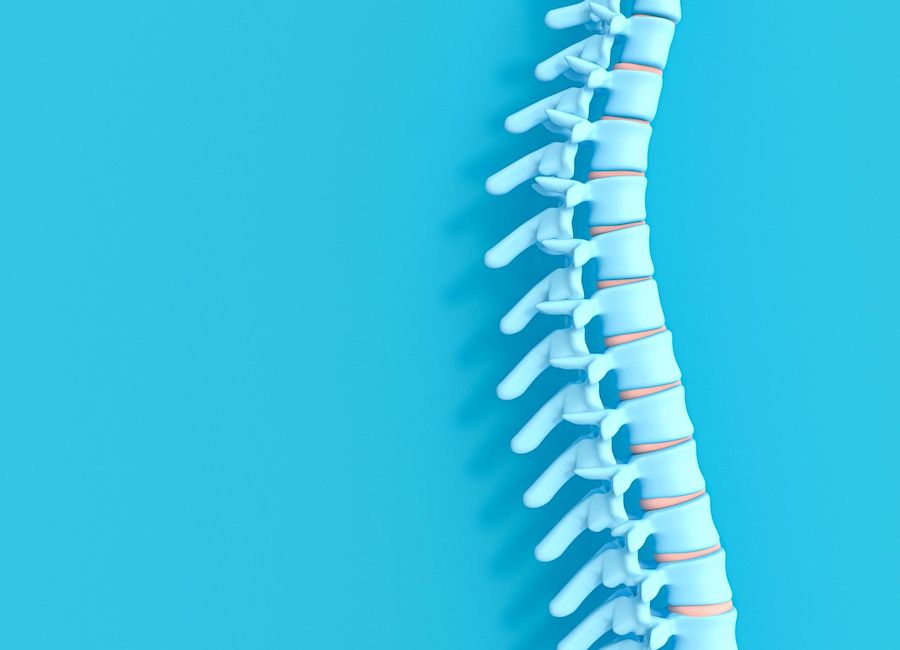

Strengthening Back: Can Back Strengthening Exercises Improve Your Health and Wellbeing?
Back strengthening exercises are one of the most effective ways to improve spinal health, reduce back pain, and help you move with greater confidence. A well-designed back exercise class doesn't simply focus on the spine—it strengthens the muscles that support your entire body, including your core, hips, glutes, and postural muscles. Together, these muscles provide the stability needed for everyday activities such as lifting, walking, bending, and maintaining good posture.
Scientific research consistently shows that regular, progressive back strengthening exercises improve both physical function and quality of life. A 2025 umbrella review published in the Journal of Sport and Health Science, which analysed 70 systematic reviews, concluded that structured exercise programmes—including strength training, core stability, Pilates, yoga, tai chi, and functional movement—significantly reduce pain and disability in people with chronic non-specific low back pain compared with minimal or no treatment. For many people, this means improved mobility, better sleep, greater confidence in movement, and a reduced reliance on pain medication.
One of the strongest areas of evidence is trunk and core strengthening. A 2023 systematic review and meta-analysis in the Journal of Orthopaedic & Sports Physical Therapy examined 40 randomised controlled trials involving 2,391 participants and found that trunk-focused exercise programmes significantly improved pain, disability, and quality of life. The research also showed that combining strengthening exercises with controlled mobility work for the hips and spine produced even greater improvements, supporting a balanced approach rather than focusing on strength or flexibility alone.
Progressive resistance training is another key component of an effective back strengthening programme. A 2025 systematic review published in Disability and Rehabilitation analysed 10 randomised controlled trials and found that resistance training significantly reduced pain, improved quality of life, and decreased disability in people with chronic low back pain. By gradually strengthening the muscles that support the spine, participants become better equipped to cope with the physical demands of everyday life while improving posture, stability, and overall function.
Importantly, back strengthening exercises are not only effective for treating existing problems—they can also help prevent future episodes of back pain. A 2020 systematic review and meta-analysis in the British Journal of Sports Medicine, which included more than 8,300 participants across 25 randomised controlled trials, found that structured exercise programmes reduced future low back pain intensity, while combining exercise with education significantly reduced future disability. This highlights the importance of staying active and maintaining spinal strength before pain becomes a long-term problem.
Our Strengthening Back class is designed around these evidence-based principles. Through carefully progressed exercises that improve core strength, posture, mobility, balance, and functional movement, participants develop a stronger, more resilient body that supports everyday life. Whether your goal is to reduce back discomfort, improve posture, build confidence, or simply stay active as you age, strengthening the muscles that support your spine is one of the best investments you can make in your long-term health and wellbeing.
References (studies)
Journal of Sport and Health Science (2025): Umbrella review of 70 systematic reviews showing exercise significantly improves pain and disability in chronic low back pain.
Journal of Orthopaedic & Sports Physical Therapy (2023): Systematic review and meta-analysis of 40 RCTs (2,391 participants) demonstrating trunk-focused exercise improves pain, disability, and quality of life.
Group Exercise Evidence Disability and Rehabilitation (2025): Systematic review and meta-analysis of 10 RCTs showing progressive resistance training reduces pain, improves function, and enhances quality of life.
Group Exercise Evidence British Journal of Sports Medicine (2020): Systematic review and meta-analysis of 25 RCTs (8,341 participants) showing exercise helps reduce future back pain and disability. Group Exercise Evidence
Scientific research consistently shows that regular, progressive back strengthening exercises improve both physical function and quality of life. A 2025 umbrella review published in the Journal of Sport and Health Science, which analysed 70 systematic reviews, concluded that structured exercise programmes—including strength training, core stability, Pilates, yoga, tai chi, and functional movement—significantly reduce pain and disability in people with chronic non-specific low back pain compared with minimal or no treatment. For many people, this means improved mobility, better sleep, greater confidence in movement, and a reduced reliance on pain medication.
One of the strongest areas of evidence is trunk and core strengthening. A 2023 systematic review and meta-analysis in the Journal of Orthopaedic & Sports Physical Therapy examined 40 randomised controlled trials involving 2,391 participants and found that trunk-focused exercise programmes significantly improved pain, disability, and quality of life. The research also showed that combining strengthening exercises with controlled mobility work for the hips and spine produced even greater improvements, supporting a balanced approach rather than focusing on strength or flexibility alone.
Progressive resistance training is another key component of an effective back strengthening programme. A 2025 systematic review published in Disability and Rehabilitation analysed 10 randomised controlled trials and found that resistance training significantly reduced pain, improved quality of life, and decreased disability in people with chronic low back pain. By gradually strengthening the muscles that support the spine, participants become better equipped to cope with the physical demands of everyday life while improving posture, stability, and overall function.
Importantly, back strengthening exercises are not only effective for treating existing problems—they can also help prevent future episodes of back pain. A 2020 systematic review and meta-analysis in the British Journal of Sports Medicine, which included more than 8,300 participants across 25 randomised controlled trials, found that structured exercise programmes reduced future low back pain intensity, while combining exercise with education significantly reduced future disability. This highlights the importance of staying active and maintaining spinal strength before pain becomes a long-term problem.
Our Strengthening Back class is designed around these evidence-based principles. Through carefully progressed exercises that improve core strength, posture, mobility, balance, and functional movement, participants develop a stronger, more resilient body that supports everyday life. Whether your goal is to reduce back discomfort, improve posture, build confidence, or simply stay active as you age, strengthening the muscles that support your spine is one of the best investments you can make in your long-term health and wellbeing.
References (studies)
Journal of Sport and Health Science (2025): Umbrella review of 70 systematic reviews showing exercise significantly improves pain and disability in chronic low back pain.
Journal of Orthopaedic & Sports Physical Therapy (2023): Systematic review and meta-analysis of 40 RCTs (2,391 participants) demonstrating trunk-focused exercise improves pain, disability, and quality of life.
Group Exercise Evidence Disability and Rehabilitation (2025): Systematic review and meta-analysis of 10 RCTs showing progressive resistance training reduces pain, improves function, and enhances quality of life.
Group Exercise Evidence British Journal of Sports Medicine (2020): Systematic review and meta-analysis of 25 RCTs (8,341 participants) showing exercise helps reduce future back pain and disability. Group Exercise Evidence
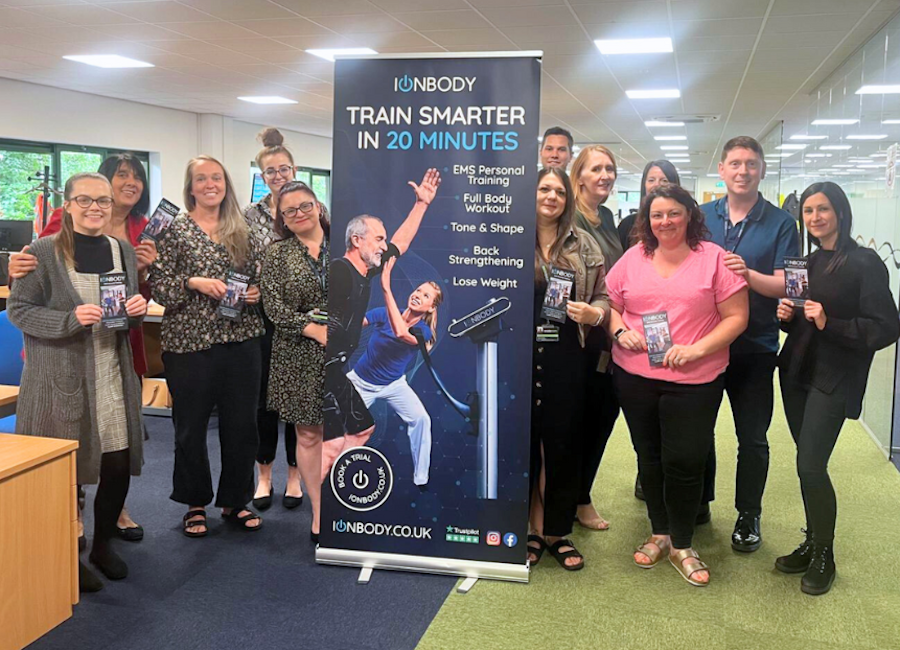

Weight Loss for Health: How Losing Weight Can Improve Your Health and Wellbeing
Achieving and maintaining a healthy weight is about far more than appearance. Scientific research consistently shows that sustainable weight loss can improve overall health and wellness by reducing the risk of chronic disease, improving physical function, increasing energy levels, and enhancing quality of life. Even relatively modest weight loss can have significant health benefits, making it one of the most effective lifestyle changes for long-term wellbeing.
One of the strongest findings in medical research is that intentional weight loss can reduce the risk of serious health conditions and even help people live longer. A landmark systematic review and meta-analysis published in the BMJ, which analysed 54 randomised controlled trials involving more than 30,000 participants, found that structured weight-loss programmes were associated with a lower risk of all-cause mortality compared with standard care. This demonstrates that healthy weight management is much more than a cosmetic goal—it is an investment in long-term health.
Losing weight also plays a major role in preventing type 2 diabetes. A large evidence review published in JAMA for the US Preventive Services Task Force found that lifestyle interventions combining improved nutrition, increased physical activity, and behavioural support significantly reduced the risk of developing type 2 diabetes in people at high risk. One of the world's most influential studies, the Diabetes Prevention Program, demonstrated that structured lifestyle changes nearly halved the number of people progressing to diabetes over three years. This is particularly important because preventing diabetes also reduces the long-term risk of heart disease, kidney disease, nerve damage, and vision problems.
Research also shows that you don't need to lose a dramatic amount of weight to experience meaningful health improvements. A 2026 rapid review and meta-analysis published in Obesity Reviews found that losing just 5% of body weight was associated with significant improvements in blood sugar control, blood pressure, cholesterol levels, and remission of several metabolic conditions. For many people, this level of weight loss is both realistic and achievable, making it an excellent first milestone rather than focusing on an unrealistic target.
Beyond physical health, successful weight management can also improve day-to-day wellbeing. Many people report better mobility, reduced joint discomfort, improved confidence, increased energy, better sleep, and a greater ability to enjoy everyday activities. Clinical guidelines consistently recognise that structured lifestyle programmes combining healthy nutrition, regular exercise, and behavioural support provide the greatest improvements in both physical health and quality of life.
Our Weight Loss class has been designed around these evidence-based principles. Rather than focusing on quick fixes or unsustainable diets, the class encourages regular exercise, increased daily movement, improved fitness, and healthier lifestyle habits that can be maintained over the long term. Combined with a balanced approach to nutrition, regular physical activity helps build muscle, improve cardiovascular fitness, increase calorie expenditure, and support lifelong weight management.
The scientific evidence is clear: sustainable weight loss supports better health, reduces the risk of chronic disease, improves physical and mental wellbeing, and helps people remain active and independent throughout life. When combined with regular exercise and healthy lifestyle choices, losing weight becomes one of the most powerful ways to improve your overall health and wellness.
References (studies)
BMJ: Systematic review and meta-analysis of 54 randomised controlled trials (30,206 participants) showing structured weight-loss interventions reduce all-cause mortality.
JAMA (USPSTF Evidence Review): Lifestyle interventions significantly reduce the risk of developing type 2 diabetes in high-risk adults, including evidence from the Diabetes Prevention Program.
Obesity Reviews (2026): Rapid review and meta-analysis showing that achieving at least 5% weight loss significantly improves blood pressure, blood glucose, cholesterol, and remission of metabolic conditions.
JAMA (USPSTF): Behavioural weight management programmes improve quality of life and overall health outcomes through sustained lifestyle change.
European Society of Cardiology Guidelines: Intentional weight loss improves cardiovascular risk factors, overall health, and quality of life in people living with overweight and obesity. Group Exercise Evidence
One of the strongest findings in medical research is that intentional weight loss can reduce the risk of serious health conditions and even help people live longer. A landmark systematic review and meta-analysis published in the BMJ, which analysed 54 randomised controlled trials involving more than 30,000 participants, found that structured weight-loss programmes were associated with a lower risk of all-cause mortality compared with standard care. This demonstrates that healthy weight management is much more than a cosmetic goal—it is an investment in long-term health.
Losing weight also plays a major role in preventing type 2 diabetes. A large evidence review published in JAMA for the US Preventive Services Task Force found that lifestyle interventions combining improved nutrition, increased physical activity, and behavioural support significantly reduced the risk of developing type 2 diabetes in people at high risk. One of the world's most influential studies, the Diabetes Prevention Program, demonstrated that structured lifestyle changes nearly halved the number of people progressing to diabetes over three years. This is particularly important because preventing diabetes also reduces the long-term risk of heart disease, kidney disease, nerve damage, and vision problems.
Research also shows that you don't need to lose a dramatic amount of weight to experience meaningful health improvements. A 2026 rapid review and meta-analysis published in Obesity Reviews found that losing just 5% of body weight was associated with significant improvements in blood sugar control, blood pressure, cholesterol levels, and remission of several metabolic conditions. For many people, this level of weight loss is both realistic and achievable, making it an excellent first milestone rather than focusing on an unrealistic target.
Beyond physical health, successful weight management can also improve day-to-day wellbeing. Many people report better mobility, reduced joint discomfort, improved confidence, increased energy, better sleep, and a greater ability to enjoy everyday activities. Clinical guidelines consistently recognise that structured lifestyle programmes combining healthy nutrition, regular exercise, and behavioural support provide the greatest improvements in both physical health and quality of life.
Our Weight Loss class has been designed around these evidence-based principles. Rather than focusing on quick fixes or unsustainable diets, the class encourages regular exercise, increased daily movement, improved fitness, and healthier lifestyle habits that can be maintained over the long term. Combined with a balanced approach to nutrition, regular physical activity helps build muscle, improve cardiovascular fitness, increase calorie expenditure, and support lifelong weight management.
The scientific evidence is clear: sustainable weight loss supports better health, reduces the risk of chronic disease, improves physical and mental wellbeing, and helps people remain active and independent throughout life. When combined with regular exercise and healthy lifestyle choices, losing weight becomes one of the most powerful ways to improve your overall health and wellness.
References (studies)
BMJ: Systematic review and meta-analysis of 54 randomised controlled trials (30,206 participants) showing structured weight-loss interventions reduce all-cause mortality.
JAMA (USPSTF Evidence Review): Lifestyle interventions significantly reduce the risk of developing type 2 diabetes in high-risk adults, including evidence from the Diabetes Prevention Program.
Obesity Reviews (2026): Rapid review and meta-analysis showing that achieving at least 5% weight loss significantly improves blood pressure, blood glucose, cholesterol, and remission of metabolic conditions.
JAMA (USPSTF): Behavioural weight management programmes improve quality of life and overall health outcomes through sustained lifestyle change.
European Society of Cardiology Guidelines: Intentional weight loss improves cardiovascular risk factors, overall health, and quality of life in people living with overweight and obesity. Group Exercise Evidence
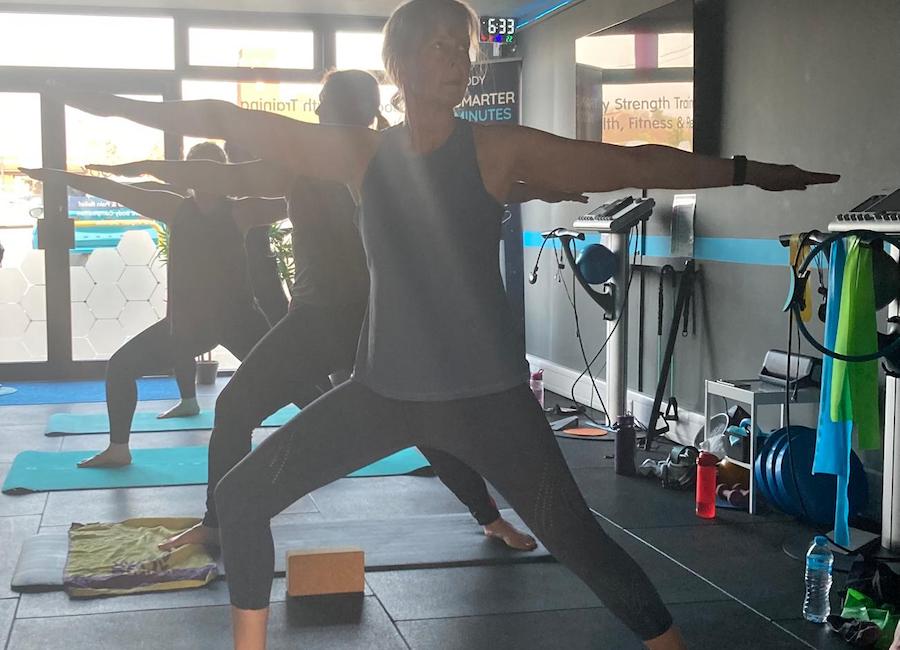

Yoga for Health and Wellness: Can Yoga Improve Strength, Mobility, Sleep, and Mental Wellbeing?
Yoga is a mind–body exercise that combines physical postures, controlled breathing, and mindfulness. From a health and wellness perspective, it is a structured and adaptable form of movement that can improve strength, balance, flexibility, and mental wellbeing when practised consistently. Unlike purely fitness-based training, yoga also integrates relaxation and stress regulation, making it a multi-system approach to overall health.
The strongest evidence for yoga is seen in older adults, where it supports healthy ageing and physical independence. A 2019 systematic review and meta-analysis of 22 randomised controlled trials (International Journal of Behavioral Nutrition and Physical Activity) found that yoga significantly improved balance (Hedges' g 0.70), lower-body flexibility (g 0.50), and lower-limb strength (g 0.45) compared with inactive controls. It also improved quality of life outcomes including sleep quality (g 0.65), depression (g 0.64), and perceived physical and mental health (g ~0.60). These improvements are important because balance, strength, and sleep quality are directly linked to fall risk, energy levels, and independence.
Yoga also has strong evidence in the management of chronic low back pain. A 2022 systematic review and meta-analysis of 27 randomised controlled trials (2,702 participants) published in PAIN found that yoga reduced pain intensity (SMD −0.37) and disability (SMD −0.38) compared with passive controls. It also improved physical function (SMD 0.28). Importantly, these benefits were maintained over the longer term for most physical outcomes, suggesting that yoga can be a sustainable way to improve movement confidence and reduce discomfort in everyday life.
Beyond physical health, yoga is widely studied for its effects on stress, mood, and emotional wellbeing. A 2024 systematic review in Frontiers in Psychiatry found low-quality to moderate-quality evidence that yoga can reduce perceived stress and improve quality of life in the short term compared with passive controls. In mental health populations, a 2020 systematic review and meta-analysis in the British Journal of Sports Medicine reported moderate improvements in depressive symptoms in people with depression (SMD −0.40) and larger effects in schizophrenia (SMD −0.90), highlighting yoga's role as an adjunct supportive therapy alongside standard care.
Yoga may also be beneficial during specific life stages. A 2024 systematic review and meta-analysis of 24 randomised controlled trials (International Journal of Nursing Studies, 2,028 participants) found that yoga improved menopausal symptoms, sleep quality, anxiety, and depressive symptoms, as well as reducing blood pressure. While effects on hot flushes and overall quality of life were less consistent, the findings still support yoga as a valuable supportive practice during hormonal transition phases.
Overall, the scientific evidence supports yoga as an effective health and wellness intervention that improves physical function (balance, flexibility, strength), supports recovery from musculoskeletal pain, and contributes to better sleep and mental wellbeing. When adapted appropriately to individual ability, yoga is a sustainable, low-impact method to improve long-term health, mobility, and resilience.
References (studies)
International Journal of Behavioral Nutrition and Physical Activity (2019): Meta-analysis of 22 RCTs in older adults showing improvements in balance, strength, flexibility, sleep, and mental health outcomes.
PAIN (2022): Systematic review/meta-analysis of 27 RCTs (n=2,702) showing reduced pain and disability in chronic low back pain.
Frontiers in Psychiatry (2024): Systematic review/meta-analysis showing stress and quality of life improvements in stressed adults.
British Journal of Sports Medicine (2020): Systematic review/meta-analysis showing improvements in depressive symptoms in mental health conditions.
International Journal of Nursing Studies (2024): Systematic review/meta-analysis (24 RCTs) showing improvements in menopausal symptoms, sleep, anxiety, and blood pressure. Group Exercise Evidence
The strongest evidence for yoga is seen in older adults, where it supports healthy ageing and physical independence. A 2019 systematic review and meta-analysis of 22 randomised controlled trials (International Journal of Behavioral Nutrition and Physical Activity) found that yoga significantly improved balance (Hedges' g 0.70), lower-body flexibility (g 0.50), and lower-limb strength (g 0.45) compared with inactive controls. It also improved quality of life outcomes including sleep quality (g 0.65), depression (g 0.64), and perceived physical and mental health (g ~0.60). These improvements are important because balance, strength, and sleep quality are directly linked to fall risk, energy levels, and independence.
Yoga also has strong evidence in the management of chronic low back pain. A 2022 systematic review and meta-analysis of 27 randomised controlled trials (2,702 participants) published in PAIN found that yoga reduced pain intensity (SMD −0.37) and disability (SMD −0.38) compared with passive controls. It also improved physical function (SMD 0.28). Importantly, these benefits were maintained over the longer term for most physical outcomes, suggesting that yoga can be a sustainable way to improve movement confidence and reduce discomfort in everyday life.
Beyond physical health, yoga is widely studied for its effects on stress, mood, and emotional wellbeing. A 2024 systematic review in Frontiers in Psychiatry found low-quality to moderate-quality evidence that yoga can reduce perceived stress and improve quality of life in the short term compared with passive controls. In mental health populations, a 2020 systematic review and meta-analysis in the British Journal of Sports Medicine reported moderate improvements in depressive symptoms in people with depression (SMD −0.40) and larger effects in schizophrenia (SMD −0.90), highlighting yoga's role as an adjunct supportive therapy alongside standard care.
Yoga may also be beneficial during specific life stages. A 2024 systematic review and meta-analysis of 24 randomised controlled trials (International Journal of Nursing Studies, 2,028 participants) found that yoga improved menopausal symptoms, sleep quality, anxiety, and depressive symptoms, as well as reducing blood pressure. While effects on hot flushes and overall quality of life were less consistent, the findings still support yoga as a valuable supportive practice during hormonal transition phases.
Overall, the scientific evidence supports yoga as an effective health and wellness intervention that improves physical function (balance, flexibility, strength), supports recovery from musculoskeletal pain, and contributes to better sleep and mental wellbeing. When adapted appropriately to individual ability, yoga is a sustainable, low-impact method to improve long-term health, mobility, and resilience.
References (studies)
International Journal of Behavioral Nutrition and Physical Activity (2019): Meta-analysis of 22 RCTs in older adults showing improvements in balance, strength, flexibility, sleep, and mental health outcomes.
PAIN (2022): Systematic review/meta-analysis of 27 RCTs (n=2,702) showing reduced pain and disability in chronic low back pain.
Frontiers in Psychiatry (2024): Systematic review/meta-analysis showing stress and quality of life improvements in stressed adults.
British Journal of Sports Medicine (2020): Systematic review/meta-analysis showing improvements in depressive symptoms in mental health conditions.
International Journal of Nursing Studies (2024): Systematic review/meta-analysis (24 RCTs) showing improvements in menopausal symptoms, sleep, anxiety, and blood pressure. Group Exercise Evidence
See what our clients have to say...
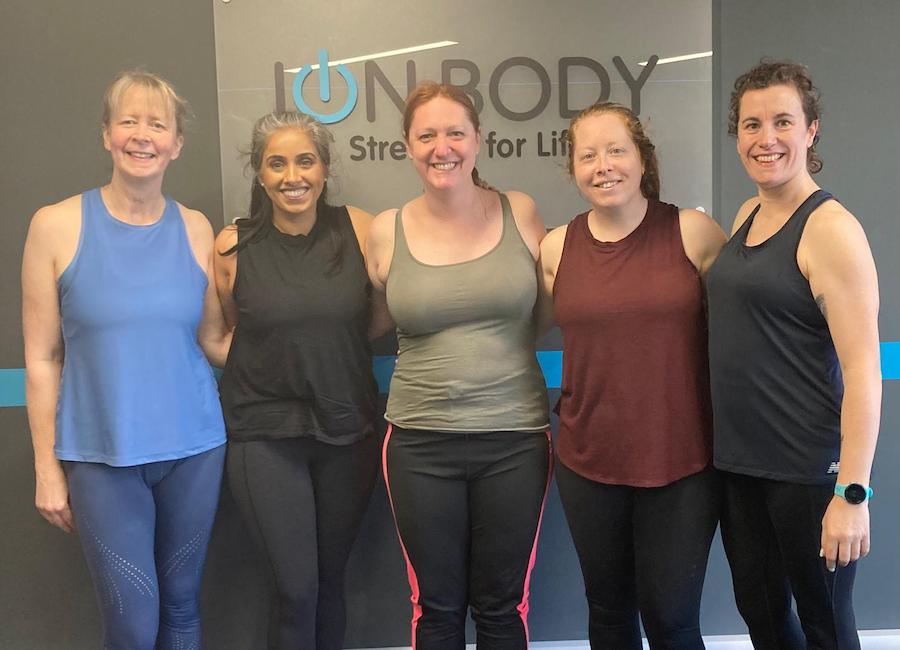
Yoga -
Becky
I attended the 6 week yoga class, and I thoroughly enjoyed it. I improved flexibility, and felt more mobile.

Weight Loss Workshop - Loretta (Business Owner)
We organised a 6 week weight loss workshop for our team. It was highly informative, enjoyable, and we lost weight.
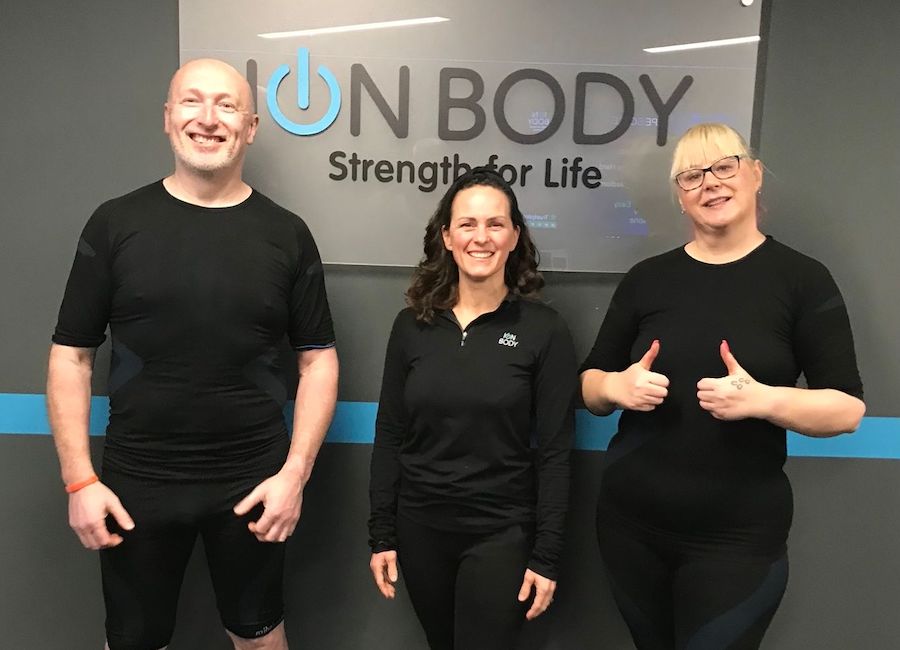
Strength For Life -
Mark & Jo
We've been attending strength for life classes the past 6 months, and we have improved our strength and mobility.
Get Started With a Group Exercise Class
We run group exercise sessions over a set period. Please enquire to find out when our next course starts.
find us at
PHONE NUMBER
07512 769315
LOCATION 1
EMS 1-to-1, 2-to-1, Ice Bath & Group Exercise
Garforth Leeds Studio:
7 Long Meadowgate,
Leeds,
LS25 2BX
LOCATION 2
EMS 1-to-1
Leeds Centre Studio:
12 Park Place,
Leeds,
LS1 2RU